The current instrument base of ITU Surface Lab combines multi-source PVD, PECVD, EB-PVD, electrochemical coating, surface characterization and environmental durability validation lines in one flow.
This page presents the laboratory's coating systems together with its characterization, surface treatment and durability validation infrastructure.
The main coating systems define the core production capability used across research and industrial collaborations.
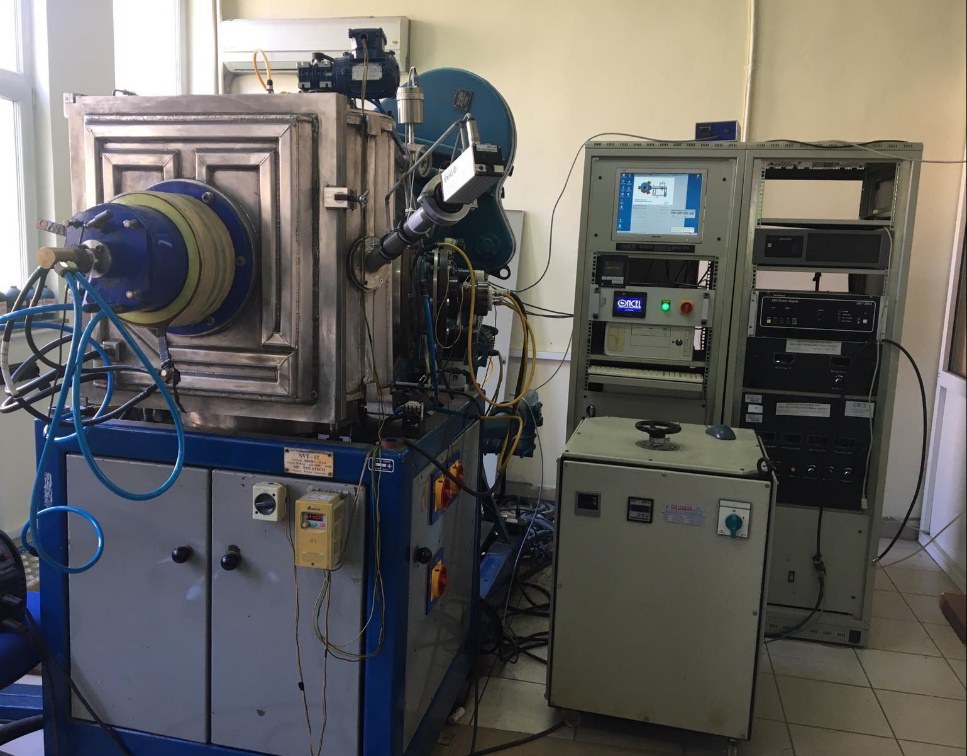
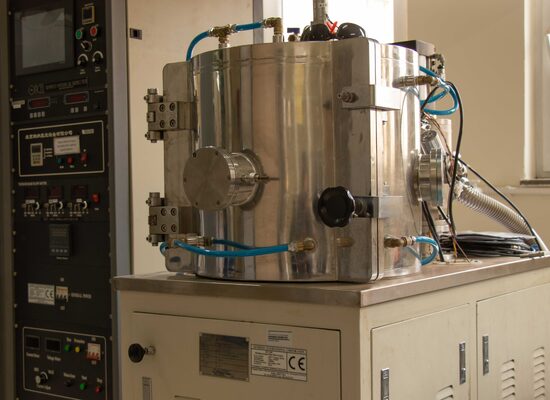
Multi-source thin film production with cathodic arc and planar magnetron combinations
- Configurable as 2 arc, 1 arc + 1 planar magnetron, or 2 planar magnetrons in parallel.
- Reactive gas support for oxide, carbide, nitride, carbonitride and oxynitride systems.
- Effective working volume: 40 cm diameter x 35 cm height.
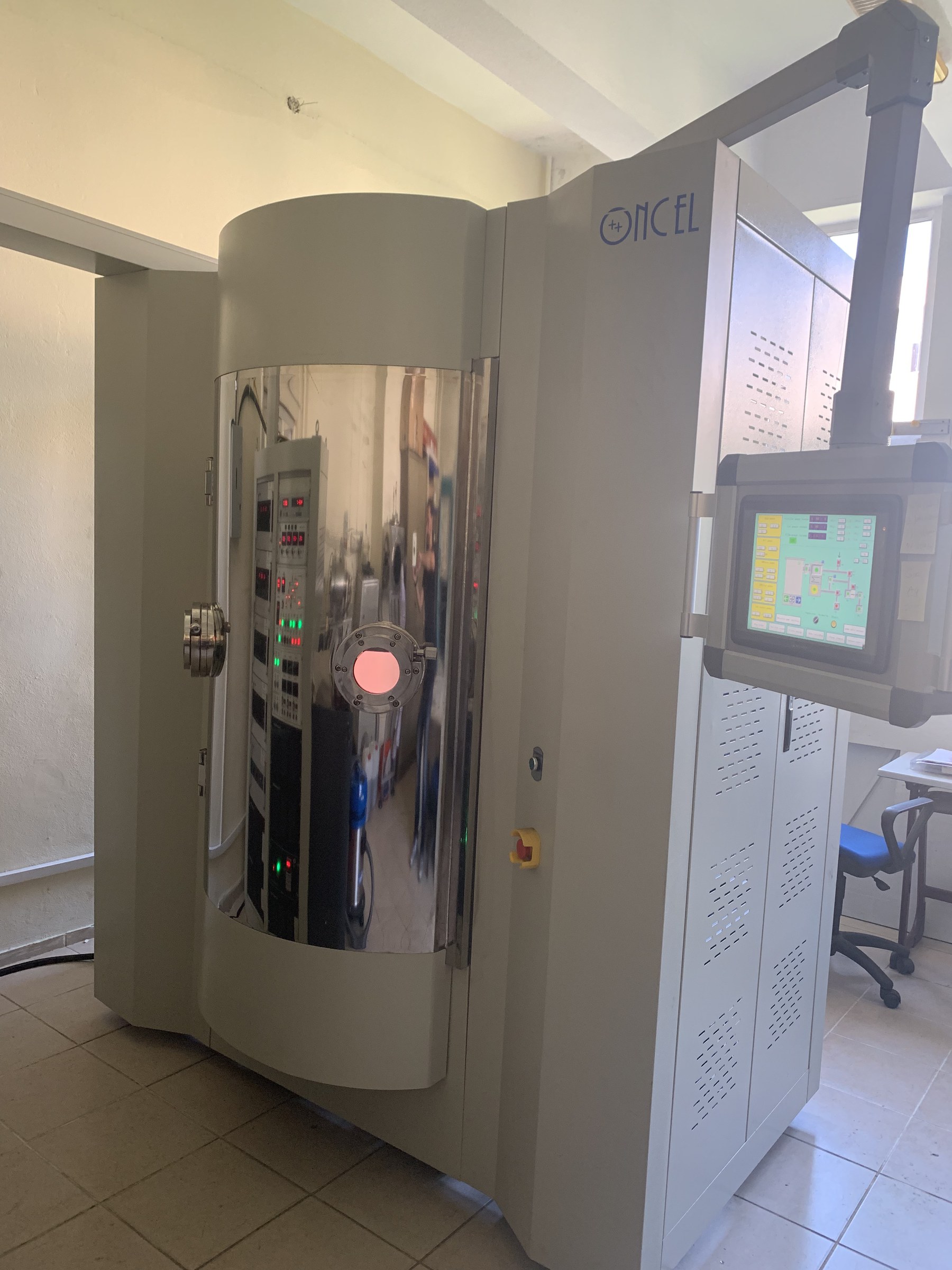
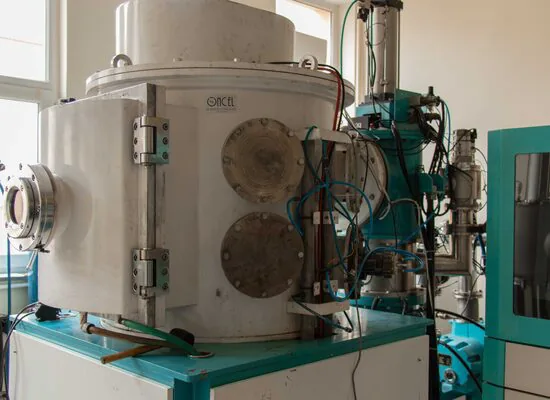
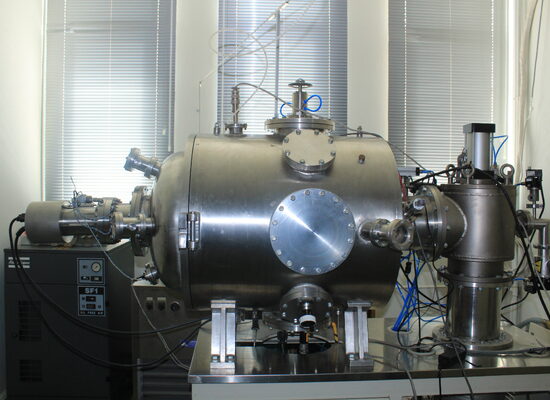
High-volume PVD and hybrid coating infrastructure for large-scale components
- Three cathodic arc sources, two large planar magnetrons and a dual rotary magnetron set.
- Ion source for surface activation, etching and reactive-gas-compatible processing.
- Effective processing volume: 70 cm diameter x 85 cm height.
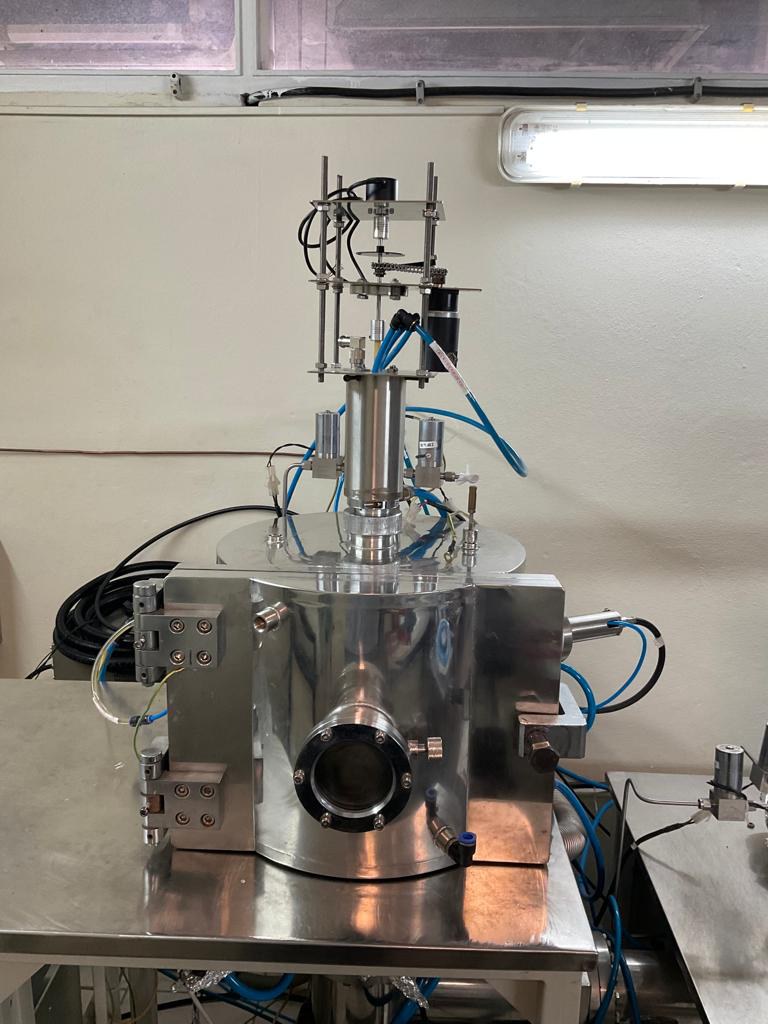
Precision R&D system with RF-PECVD support for DLC and doped-DLC production
- Hybrid material synthesis with DC, pulsed and RF magnetron sputtering.
- Dual 2-inch cathodes and a rotating substrate stage for multilayer architectures.
- Research volume: 10 cm diameter x 10 cm height.
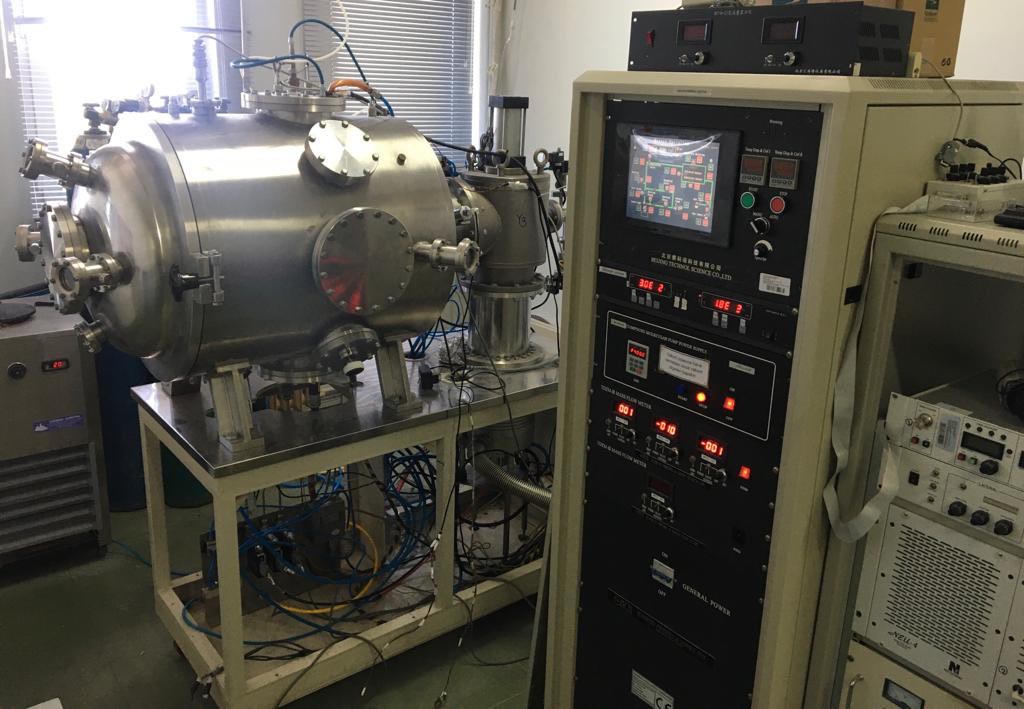
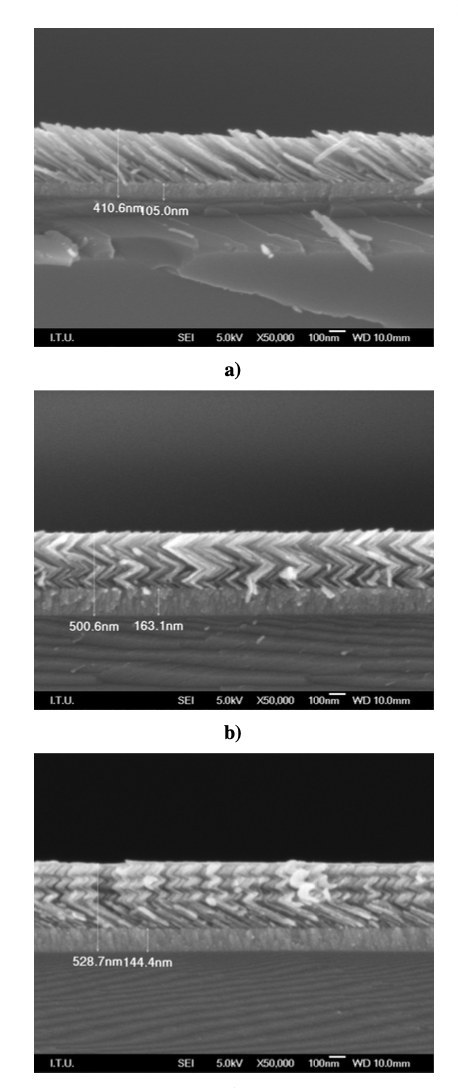
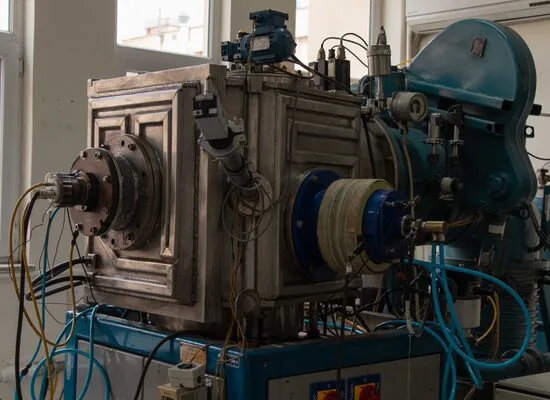
Sequential high-power evaporation platform for optical filters and thermal barrier coatings
- 10 kW power supply and 4 x 25 cc crucibles for multi-material evaporation.
- Sequential deposition without breaking vacuum and ion-assisted adhesion optimization.
- High-purity coating workflow for TBC and optical filter studies.
Characterization, surface treatment and accelerated durability validation complete the coating development workflow.
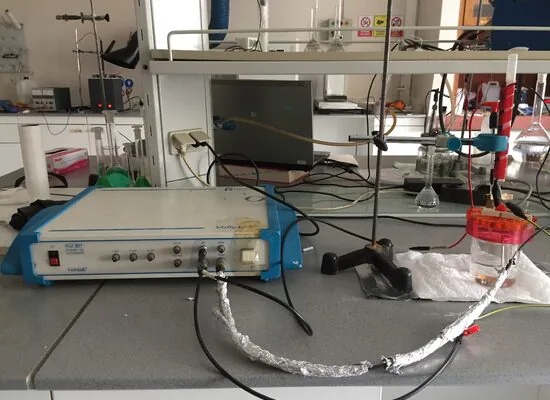
Protective performance and corrosion resistance measurements
- Potentiodynamic polarization, cyclic voltammetry and EIS.
- Electrochemical porosity determination and open-porosity analysis.
- Barrier integrity and service-life validation for coatings.
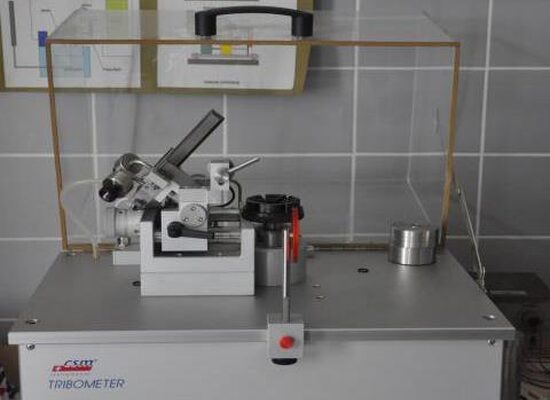
Wear, friction, phase and adhesion characterization
- Pin-on-disc, ball-on-disc and reciprocating configurations.
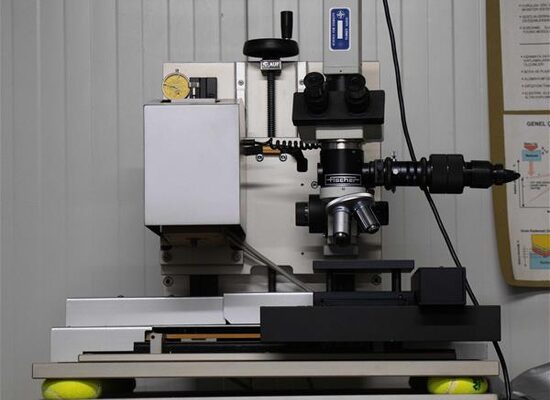
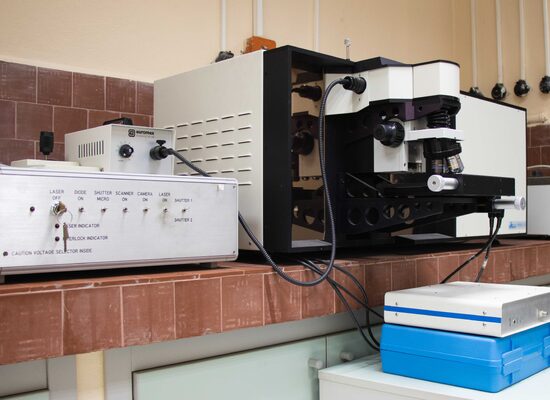
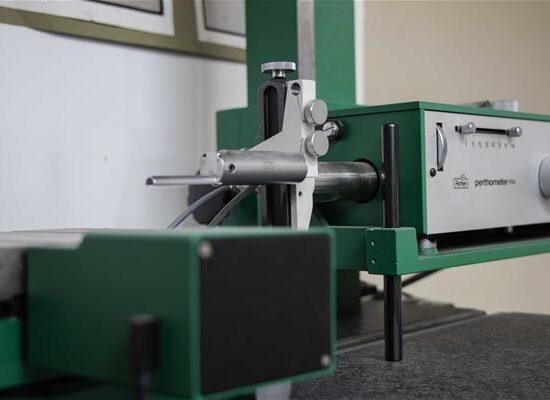
- Scratch and adhesion tests, microhardness and profilometry.
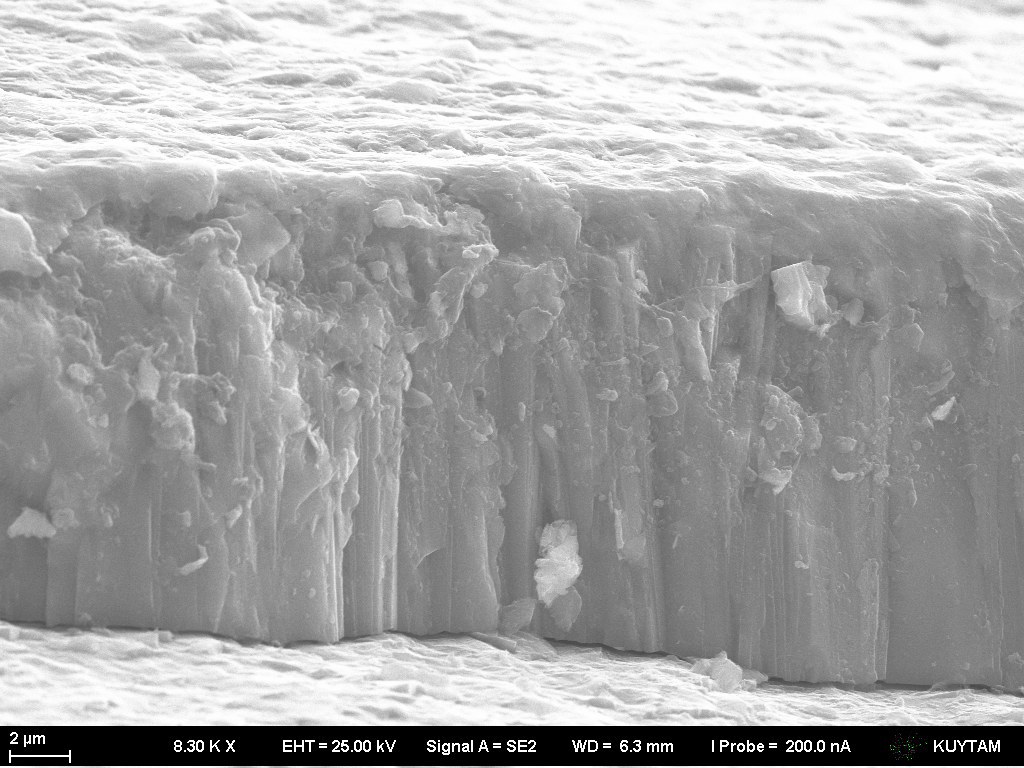
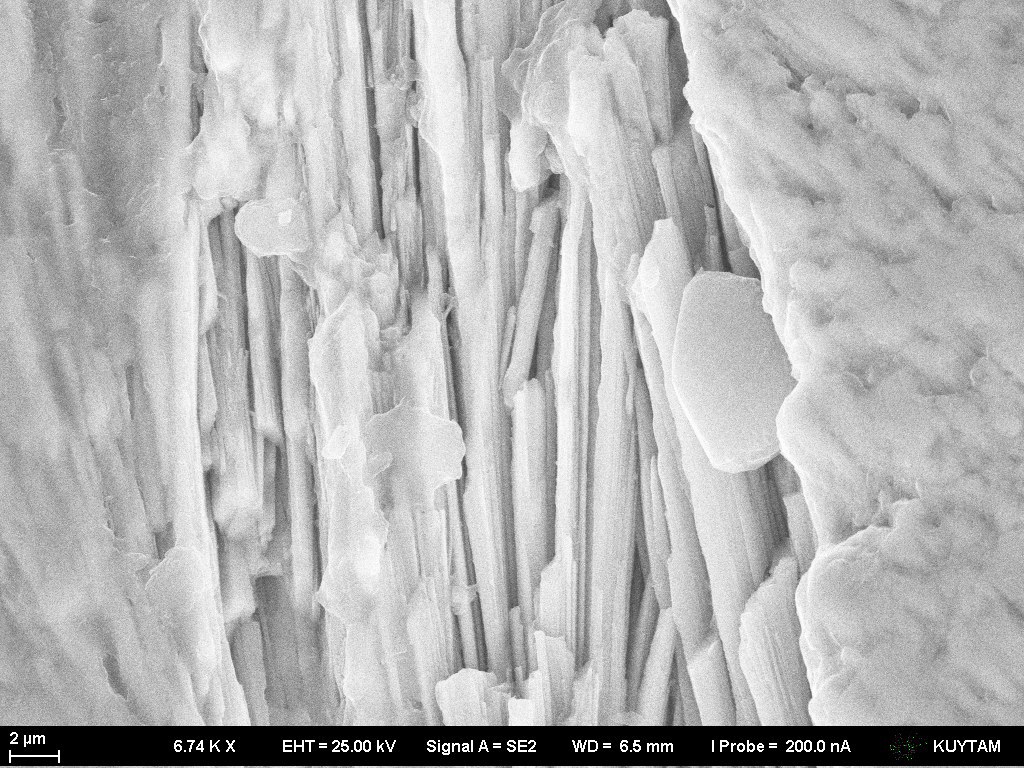
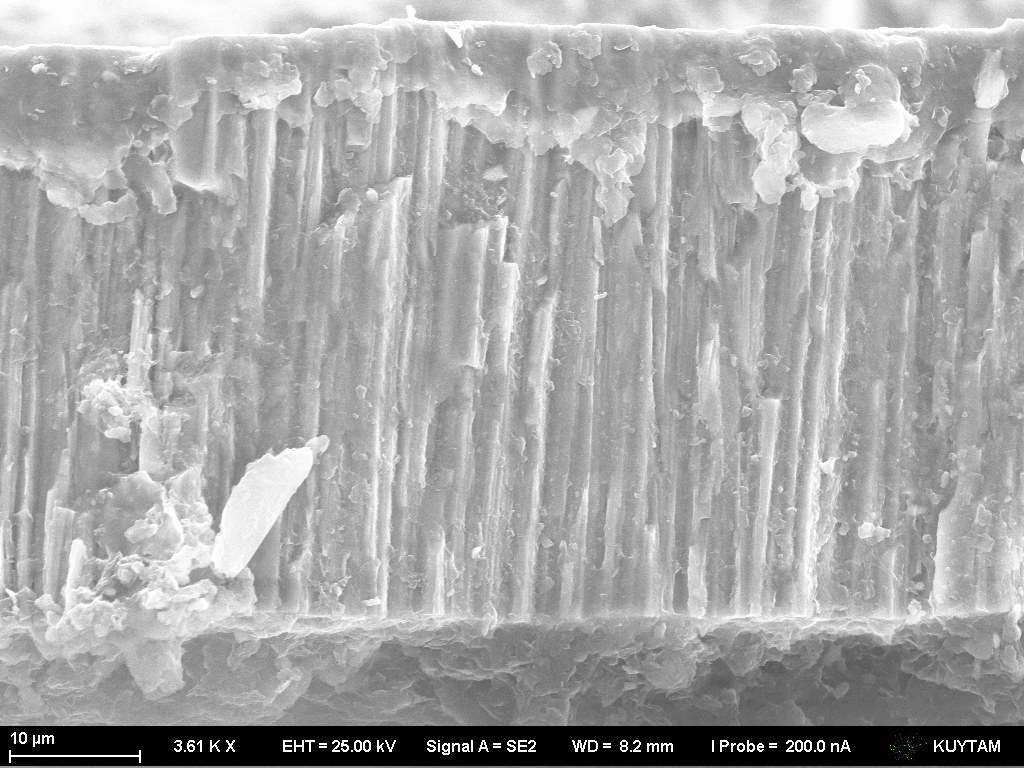
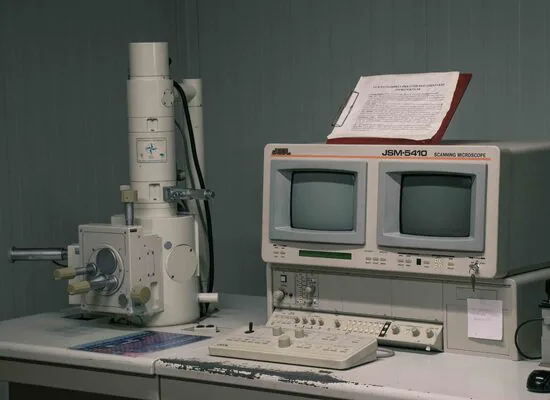
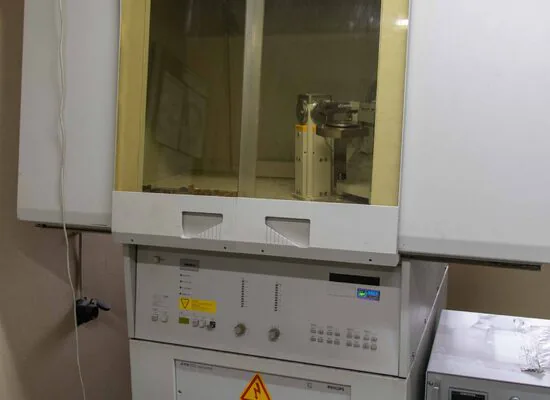
- GIXRD, XRF, GDOES, SEM cross-sections and magnetic-induction thickness measurement.
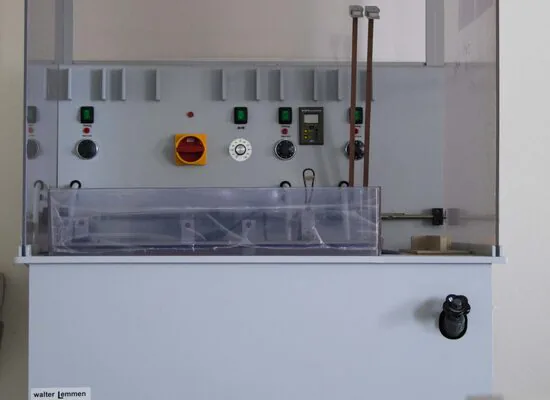
Electroless plating, electroplating and anodization processes
- Copper and nickel-based routes for conductive and insulating substrates.
- Anodization workflows for aluminum and titanium alloys targeting wear and corrosion performance.
- Maximum substrate size: 25 cm x 25 cm.
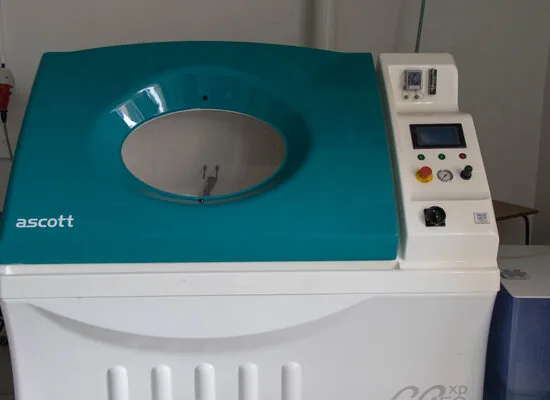
Environmental durability validation with a salt spray chamber
- Salt spray testing compatible with ASTM B117 and ISO 9227.
- Repeatable environmental loading for coupons and real components.
- Comparative evaluation of protective coating efficiency.
Aging infrastructure combining temperature, humidity and UV effects
- Programmable temperature and humidity cycles.
- Accelerated aging for coating and material stability studies.
- Flexible specimen handling for different geometries and application scenarios.
Our coating portfolio covers different material families, functional thin film architectures and application-oriented surface treatments.
- PVD: Al, Ti, Cu, Zr, Cr, Ag, Mo, Sn, Nb, W.
- Electrolytic lines: Ni, Cu, Cr, Ag, Al, Pt.
- Single-layer or multilayer architectures tailored to functional requirements.
- Nitrides: TiN, CrN, TiAlN, AlSiN, NbN, ZrN, WN, MoN.
- Carbides and carbonitrides: TiC, CrC, ZrC, TiCN, CrCN, WCN, MoCN.
- DLC and metal-doped DLC systems together with oxides and oxynitrides.
- Machine elements requiring high wear resistance and low friction.
- Thermal barrier coatings, optical filters and sensing surfaces.
- Complementary routes such as molten-salt boriding and vacuum diffusion treatments.
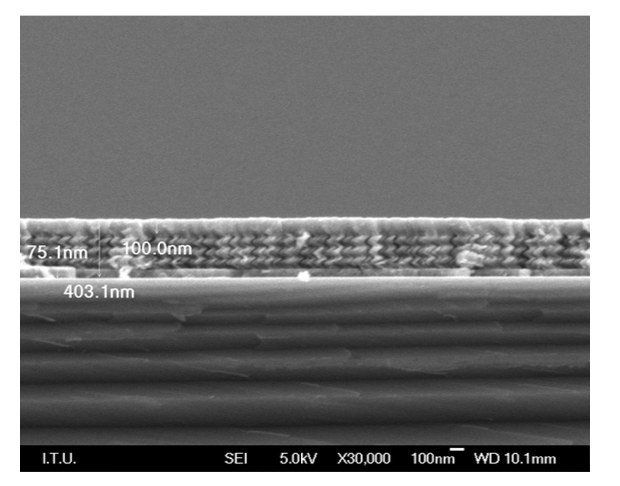
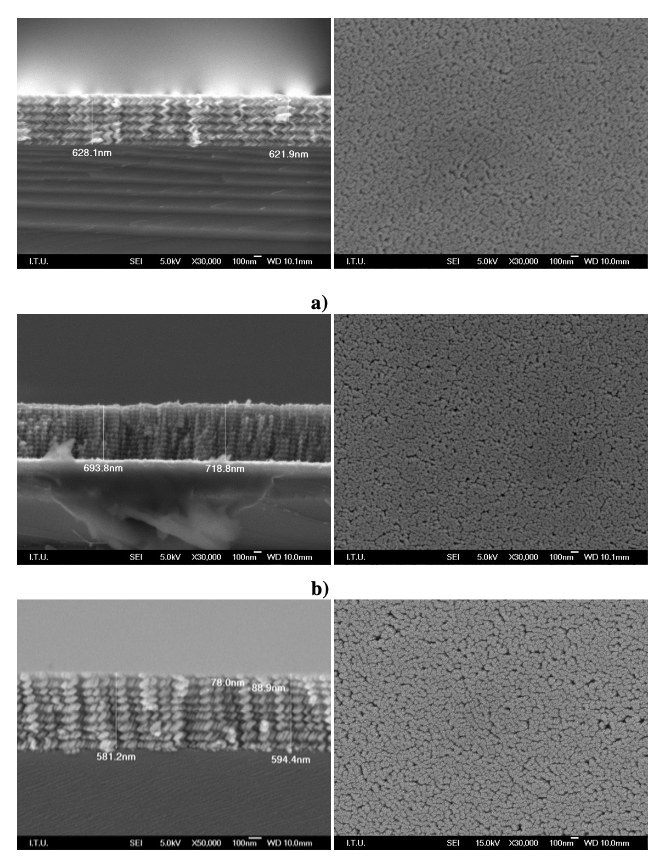
The gallery below highlights EB-PVD-based coating architectures developed in the laboratory.